
What are School Catchment Areas and do they Affect Proper...
If you’ve got children or are planning on having them in the future, then you’ve probably given this some thought when looking


More buyers in Whitstable than ever before are falling victim to online fraud.
Buying a home can be a frustrating process. It’s no surprise, then, that when the end is finally in sight, you can’t wait to seal the deal by transferring your deposit or final balance to your legal representative. But, before you do, it’s important to stop and think carefully.

When purchasing a property, you spend a considerable amount of time liaising with your conveyancing team. So, it’s easy to see why you would believe that everything will be fine when transferring your money. Yet, payment diversion fraud has become increasingly common over recent years. It’s, now something that every homebuyer in Whitstable must be aware of.
An Overview Of Payment Diversion Fraud
The National Economic Crime Centre, Action Fraud, The National Crime Agency, and the Law Society have all recently issued guidance about the problem of payment diversion fraud to prospective purchasers nationwide.
Criminals steal your payments! In payment diversion fraud, they target electronic transactions and reroute the money to their own bank accounts. This means your solicitor, who was supposed to receive the payment, never gets it.
While payment diversion fraud can affect any type of online financial transaction, it is especially common during home purchases due to the very high sums of money involved. When it occurs in this context, it is a form of Conveyancing Fraud. It typically involves the criminals diverting either the balance of your property’s purchase price or your deposit payment.
How Is Payment Diversion Fraud Carried Out?
Criminals can use sophisticated techniques to intercept the buyer’s online correspondence with their legal representative. Once they have accomplished this, they can then set up spoof letterheads and email accounts to trick the property buyer into thinking they’re dealing with their conveyancer directly. Fraudsters can easily gather property details. They target information about the property you’re buying, including the price and everyone involved in the transaction. They can then use that information to trick the buyer into making the payment to them instead of their legal team.
How Can I Avoid Becoming A Victim Of Payment Diversion Fraud?
Don’t let your guard down when buying a home! The Law Society recently issued guidance to help you fight payment diversion fraud. Check it out here: https://www.lawsociety.org.uk/public/for-public-visitors/common-legal-issues/payment-diversion-fraud Their advice is clear: always contact your solicitor before sending any payment to confirm they requested it, and double-check the bank account information yourself.
Verify any changes! Don’t send funds if instructions or payment details, especially last-minute ones, arrive by email. Call your solicitor directly to confirm. Emails can be faked, so don’t use them for questioning changes. When in doubt, wait! Hold off on the transfer until you’re 100% sure the money goes to the right recipient at the right time.
What Happens If I Become A Victim Of Fraud When Purchasing A Home?
If you, unfortunately, become a victim of Conveyancing fraud, you should immediately contact your bank to let them know and to ask if they could contact the bank receiving the money to freeze your funds. You should also let your estate agent and solicitors know so they can help to guard against any other clients becoming a target. Once you have done this, you should get in touch with Action Fraud by calling them on 0300 123 2040 or via their website.
The award winning team https://spillerbrooks.co.uk/company-news/2024-beag-award/ at Spiller Brooks Estate Agents are committed to ensuring that our clients steer clear of fraudsters. To this end, we will always confirm that a payment to us is genuine but, if you are in any doubt, you can always call us on 01227 272155 to find out more.

If you’ve got children or are planning on having them in the future, then you’ve probably given this some thought when looking

Buying and selling a property in Whitstable can be a super stressful time. Our responsibility is of course to ensure things go
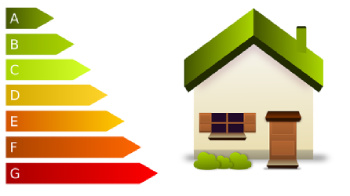
Since 2007, anyone who sells their home in England and Wales needs to get an Energy Performance Certificate, or EPC. An EPC


